


The Health and Safety Executive (HSE) define risk assessment as identifying potential health and safety hazards. Employers are then required to act to minimise risks to their staff or anyone else at their workplace.
Click on the following link to read more about risk assessment.
Mae'r Awdurdod Gweithredol Iechyd a Diogelwch yn diffinio asesiadau risg fel rhai sy'n nodi peryglon iechyd a diogelwch posibl. Yna, bydd yn ofynnol i gyflogwyr weithredu i leihau risgiau i'w staff neu unrhyw un arall yn eu gweithle.
Cliciwch ar y ddolen ganlynol i ddarllen mwy am asesiad risg.

A hazard is something around you that can cause harm. There are different types of hazards including;
Listed below are hazards that can be identified within the health and social care settings.
Environmental Hazards are things within the environment that could cause harm to clients and staff. These include things such as temperature of rooms, pollution, objects, noise, poor lighting etc.
Equipment needs to be used correctly and safely in order to ensure clients and staff are not at risk of harm. Hazards from equipment include things such as; unsafe practice, poor maintenance, how tidy is the work area.
Infection control needs to be taken into consideration. Not only for the safety of service users but for your own safety and health. If the infection is not controlled, it can lead to people getting ill. Infections can be spread by direct contact, indirect contact, droplets, and by airborne transmission.
Substances and chemicals can be hazardous to health. Cleaning products, such as bleach, can cause serious harm if not used safely. Exposure to some chemicals may lead to short-term problems, such as rashes or allergic reactions, while others can cause long-term illnesses, like asthma or dermatitis.
Risks include:
Working conditions are about the way you work, such as excess workload, long hours, working with high-need clients, bullying, etc. These are also called 'psychosocial' hazards, affecting mental health and occurring within working relationships.
Working practice is about the way you do your job and how safely you carry out your role to ensure you do not cause harm. Working practices include the training and skills gained in the role. These could be, manual handling training, working with challenging behaviour, violence and aggression, preparing foods etc.
Mae perygl yn rhywbeth o'ch cwmpas sy'n gallu achosi niwed. Mae gwahanol fathau o beryglon yn cynnwys;
Rhestrir isod y peryglon y gellir eu nodi mewn lleoliadau iechyd a gofal cymdeithasol.
Mae Peryglon Amgylcheddol yn bethau o fewn yr amgylchedd a allai achosi niwed i gleientiaid a staff. Mae'r rhain yn cynnwys pethau fel tymheredd ystafelloedd, llygredd, gwrthrychau, sŵn, golau gwael ac ati.
Mae angen defnyddio cyfarpar yn gywir ac yn ddiogel er mwyn sicrhau nad yw cleientiaid a staff mewn perygl o niwed. Mae peryglon cyfarpar yn cynnwys pethau megis; ymarfer anniogel, gwaith cynnal a chadw gwael, pa mor daclus yw'r maes gwaith.
Mae angen rhoi ystyriaeth i reoli haint. Nid yn unig er mwyn diogelwch y defnyddwyr gwasanaeth ond er mwyn eich diogelwch a'ch iechyd eich hun. Os nad yw'r haint yn cael ei reoli, gall arwain at bobl yn mynd yn sâl. Gellir lledaenu heintiau drwy gyswllt uniongyrchol, cyswllt anuniongyrchol, diferion, a thrwy drosglwyddo yn yr awyr.
Gall sylweddau a chemegau fod yn beryglus i iechyd. Gall cynhyrchion glanhau fel cannydd achosi niwed difrifol os na chaiff ei ddefnyddio'n ddiogel. Gall amlygiad i rai cemegau arwain at broblemau tymor byr fel brech neu adweithiau alergaidd, tra bod eraill yn gallu achosi afiechydon hirdymor fel asthma neu dermatitis.
Mae’r risgiau’n cynnwys:
Mae amodau gwaith yn ymwneud â'r ffordd rydych chi'n gweithio, fel llwyth gwaith gormodol, oriau hir, gweithio gyda chleientiaid ag anghenion mawr, bwlio ac ati. Gelwir y rhain hefyd yn beryglon 'seicogymdeithasol', sy'n effeithio ar iechyd meddwl ac sy'n digwydd o fewn perthnasoedd gwaith.
Mae arferion gwaith yn ymwneud â'r ffordd yr ydych yn gwneud eich gwaith a pha mor ddiogel yr ydych yn cyflawni eich rôl i sicrhau nad ydych yn achosi niwed. Mae arferion gwaith yn cynnwys yr hyfforddiant a'r sgiliau rydych chi wedi’u meithrin yn y rôl. Gallai'r rhain gynnwys, hyfforddiant codi a chario, gweithio gydag ymddygiad heriol, trais ac ymddygiad ymosodol, paratoi bwydydd ac ati.

One of the most important aspects of risk assessment is accurately identifying the potential hazards in the workplace.
A good starting point is to walk around the workplace and think about any hazards. It is important to look at, what is it about the activities, procedures or substances used that could injure employees or harm their health?
Identifying and preventing hazards doesn’t happen with a single act. In order to protect the workplace and staff thoroughly, it’s crucial for employers to implement and follow through with a workplace safety plan.
Un o'r agweddau pwysicaf ar asesu risg yw nodi'r peryglon posibl yn y gweithle yn gywir.
Man cychwyn da yw cerdded o amgylch y gweithle a meddwl am unrhyw beryglon. Mae'n bwysig edrych ar, beth yw'r gweithgareddau, y gweithdrefnau neu'r sylweddau a ddefnyddir a allai anafu gweithwyr neu niweidio eu hiechyd?
Nid yw nodi ac atal peryglon yn digwydd gydag un weithred. Er mwyn amddiffyn y gweithle a'r staff yn drwyadl, mae'n hanfodol bod cyflogwyr yn gweithredu cynllun diogelwch yn y gweithle ac yn ei roi ar waith.
Here is a list of potential hazards that can be found within a crèche setting:
Dyma restr o beryglon posibl y gellir eu canfod mewn meithrinfa:

It is very important that employees take part in risk assessment. Their knowledge and competence are needed to develop workable preventive measures. This is because they are aware of potential problems and details of what really happens when they perform their tasks or activities.
Employee’s participation is not only a right, it is fundamental to make the employers' occupational health and safety management effective and efficient.
Employees have the duty to:
In addition, it is important that employees are trained so that they understand risk assessment and their role in it.
Employers need to meet their responsibilities regarding risk assessment and put in place the measures necessary for the safety and health of employees. It is recommended that they do this through an action plan for the elimination or control of risks.
The action plan should include:
Mae'n bwysig iawn bod gweithwyr cyflogedig yn cymryd rhan mewn asesu risg. Mae angen eu gwybodaeth a'u cymhwysedd i ddatblygu mesurau ataliol ymarferol. Mae hyn oherwydd eu bod yn ymwybodol o broblemau posibl a manylion am yr hyn sy'n digwydd mewn gwirionedd pan fyddant yn cyflawni eu tasgau neu eu gweithgareddau.
Yn ogystal â bod yn hawl, mae cyfranogiad gweithwyr cyflogedig yn hanfodol er mwyn sicrhau bod rheolaeth iechyd a diogelwch galwedigaethol y cyflogwr yn effeithiol ac effeithlon.
Mae gan weithwyr cyflogedig y ddyletswydd i wneud y canlynol:
Yn ogystal â hynny, mae'n bwysig bod gweithwyr yn cael eu hyfforddi fel eu bod yn deall asesiad risg a'u rôl ynddo.
Mae angen i gyflogwyr gyflawni eu cyfrifoldebau o ran asesu risg a rhoi'r mesurau angenrheidiol ar waith ar gyfer diogelwch ac iechyd gweithwyr cyflogedig. Argymhellir eu bod yn gwneud hyn trwy gynllun gweithredu ar gyfer dileu neu reoli risgiau.
Dylai'r cynllun gweithredu gynnwys:
Think about your daily activities and how you would incorporate informal risk assessment into it.
Every day, we conduct informal risk assessments for ourselves without being aware of it. An informal assessment usually occurs in a more casual manner and may include observation, lists, rules, self-evaluation, and discussion. For example, when crossing a busy road, we assess the traffic speed, our ability to walk or run and how quickly we need to get to the other side. We understand the consequences of getting it wrong.
A formal risk assessment is a written report of an inspection of risks associated with a job or position. A risk assessment should include any hazards of the role, who may be at risk and any risk control procedures that are in place.
The following would be considered a formal risk assessment;
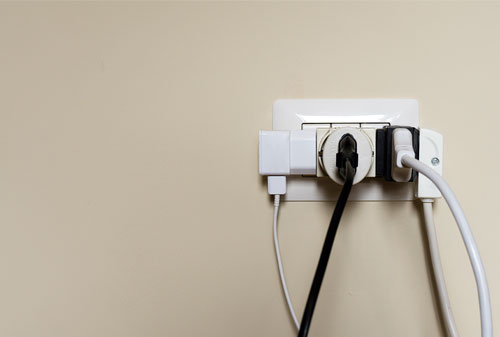
Jodie is a home care worker who has found on arrival at a client’s home that there are electrical leads overloading a plug in the kitchen. She immediately identifies this as a hazard as it could cause a fire in the home and contacts her manager and the client’s daughter to inform her that they must be removed. She has written this in the care plan.
Meddyliwch am eich gweithgareddau dyddiol a sut y byddech yn ymgorffori asesiad risg anffurfiol ynddo.
Bob dydd, rydym yn cynnal asesiadau risg anffurfiol i ni ein hunain heb fod yn ymwybodol ohono. Mae asesiad anffurfiol yn digwydd fel arfer mewn modd mwy hamddenol a gall gynnwys arsylwi, rhestri, rheolau, hunanwerthuso a thrafodaeth. Er enghraifft, wrth groesi ffordd brysur, rydym yn asesu cyflymder y traffig, ein gallu i gerdded neu redeg a pha mor gyflym y mae angen i ni gyrraedd yr ochr arall. Rydym yn deall beth yw canlyniadau gwneud pethau'n anghywir.
Mae asesiad risg ffurfiol yn adroddiad ysgrifenedig o arolygiad o'r risgiau sy'n gysylltiedig â swydd. Dylai asesiad risg gynnwys unrhyw beryglon yn y rôl, pwy allai fod mewn perygl ac unrhyw weithdrefnau rheoli risg sydd wedi eu rhoi ar waith.
Byddai'r canlynol yn cael eu hystyried yn asesiad risg ffurfiol;
Mae Jodie yn weithiwr gofal cartref sydd, wrth gyrraedd cartref cleient, wedi gweld bod ceblau trydanol yn gorlwytho'r plwg yn y gegin. Mae hi'n nodi ar unwaith bod hyn yn beryglus oherwydd gallai achosi tân yn y cartref ac yn cysylltu â'i rheolwr a merch y cleient i'w hysbysu bod yn rhaid eu symud. Mae wedi ysgrifennu hyn yn y cynllun gofal.
Risk is the possibility that something undesirable will happen. Without performing a risk assessment, risks will not be identified, and action taken to control, reduce, or eliminate the risk.
Risk assessment is part of risk management, a formalized process for ensuring that organizations do not expose people to unacceptable risk.
When identifying a risk it is important to assess its scale and what can be done to lessen it or prevent it.
If risk assessment isn’t carried out and a risk is not managed properly it could cause harm to employees and service users.
Perygl yw'r posibilrwydd y bydd rhywbeth annymunol yn digwydd. Heb gynnal asesiad risg, ni fydd risgiau'n cael eu nodi, ac ni fydd camau i reoli, lleihau neu ddileu'r risg yn cael eu rhoi ar waith.
Mae asesu risg yn rhan o reoli risg, proses wedi'i ffurfioli ar gyfer sicrhau nad yw sefydliadau yn amlygu pobl i risg annerbyniol.
Wrth nodi risg mae'n bwysig asesu ei raddfa a'r hyn y gellir ei wneud i'w leihau neu ei atal.
Os na fydd asesiad risg yn cael ei gynnal ac nad yw risg yn cael ei reoli'n iawn, gallai achosi niwed i weithwyr cyflogedig a defnyddwyr gwasanaeth.