


The recovery model is a holistic, person-centered approach to mental health care and is becoming the standard model for mental health care.
The recovery model is based on two simple ideas; firstly, it is possible to recover from mental ill-health and the most effective recovery is patient-directed. Secondly, the recovery model aims to help individuals with mental ill-health to look beyond just survival and existence. The model encourages individuals to move forward and set new goals. The model supports the view that individuals should try their best to get on with their lives, do things and develop relationships that give their lives meaning. The recovery model aims to encourage skills development and promote independence and autonomy, serving to give people with mental ill-health hope for the future, promote successful community living and purposeful citizenship.
Mae'r model gwella yn ddull cyfannol, person-ganolog o fynd i'r afael â gofal iechyd meddwl ac mae'n datblygu i fod y model safonol ar gyfer gofal iechyd meddwl.
Mae'r model gwella yn seiliedig ar ddau syniad syml; yn gyntaf, mae'n bosibl gwella o iechyd meddwl gwael ac mae'r ffordd fwyaf effeithiol o wella yn cael ei gyfeirio gan y claf. Yn ail, mae'r model gwella yn ceisio helpu unigolion ag iechyd meddwl gwael i edrych y tu hwnt i oroesi a bodolaeth yn unig. Mae'r model yn annog unigolion i symud ymlaen a gosod nodau newydd. Mae'r model yn cefnogi'r farn y dylai unigolion geisio eu gorau i symud ymlaen gyda'u bywydau, gwneud pethau a datblygu perthnasoedd sy'n rhoi ystyr i'w bywydau. Nod y model gwella yw annog datblygiad sgiliau a hyrwyddo annibyniaeth ac ymreolaeth, gan geisio rhoi gobaith i bobl ag iechyd meddwl gwael ar gyfer y dyfodol, hyrwyddo byw yn llwyddiannus yn y gymuned a dinasyddiaeth llawn pwrpas.

Recovery is often referred to as a process, outlook, vision, and conceptual framework or guiding principle.
The recovery process:
The recovery model aims to help individuals with mental health problems to look beyond mere survival and existence. It encourages them to move forward, set new goals and do things and develop relationships that give their lives meaning.
Recovery emphasises that, while individuals may not have full control over their symptoms, they can have full control over their lives. Recovery is not about eliminating problems, but it is about seeing beyond an individual’s mental health problems, recognising and fostering their abilities, interests and dreams.
Recovery is often a voyage of self-discovery and personal growth. Experiences of mental ill-health can provide opportunities for change, reflection and discovery of new values, skills and interests.
It is important that anyone who is supporting someone during the recovery process encourages them to develop their skills and supports them to achieve their goals. There is a strong link between the recovery process and social inclusion. A key role for services is to support people to regain their place in the communities where they live and take part in mainstream activities and opportunities along with everyone else. There is a growing body of evidence which demonstrates that taking part in social, educational, training, volunteering and employment opportunities can support the process of individual recovery.
Yn aml, cyfeirir at wella fel proses, rhagolwg, gweledigaeth, a fframwaith cysyniadol neu egwyddor arweiniol.
Y broses wella:
Mae'r model gwella yn ceisio helpu unigolion â phroblemau iechyd meddwl i edrych y tu hwnt i oroesi a bodolaeth yn unig. Mae'n eu hannog i symud ymlaen, gosod nodau newydd a gwneud pethau a datblygu perthnasoedd sy'n rhoi ystyr i'w bywydau.
Mae gwella yn pwysleisio, tra ei bod hi'n bosibl nad yw unigolion mewn rheolaeth lwyr o'u symptomau, y gallant gael rheolaeth lwyr dros eu bywydau. Nid yw gwella yn ymwneud â chael gwared ar broblemau, ond mae'n ymwneud â gweld y tu hwnt i broblemau iechyd meddwl unigolyn, cydnabod a meithrin eu galluoedd, diddordebau a breuddwydion.
Yn aml mae gwella yn daith o hunan-ddarganfod a thwf personol. Gall profiadau o iechyd meddwl gwael ddarparu cyfleoedd ar gyfer newid, myfyrio a darganfod gwerthoedd, sgiliau a diddordebau newydd.
Mae'n bwysig bod unrhyw un sy'n cefnogi rhywun yn ystod y broses wella yn eu hannog i ddatblygu eu sgiliau ac yn eu cefnogi i gyflawni eu nodau. Mae cysylltiad cryf rhwng y broses wella a chynhwysiant cymdeithasol. Rôl allweddol ar gyfer gwasanaethau yw cefnogi pobl i adennill eu lle mewn cymunedau lle maen nhw'n byw a chymryd rhan mewn gweithgareddau a chyfleoedd prif ffrwd ynghyd â phawb arall. Mae corff cynyddol o dystiolaeth sy'n dangos bod cymryd rhan mewn cyfleoedd cymdeithasol, addysgol, hyfforddiant, gwirfoddoli a chyflogaeth yn gallu cefnogi'r broses o wella unigol.
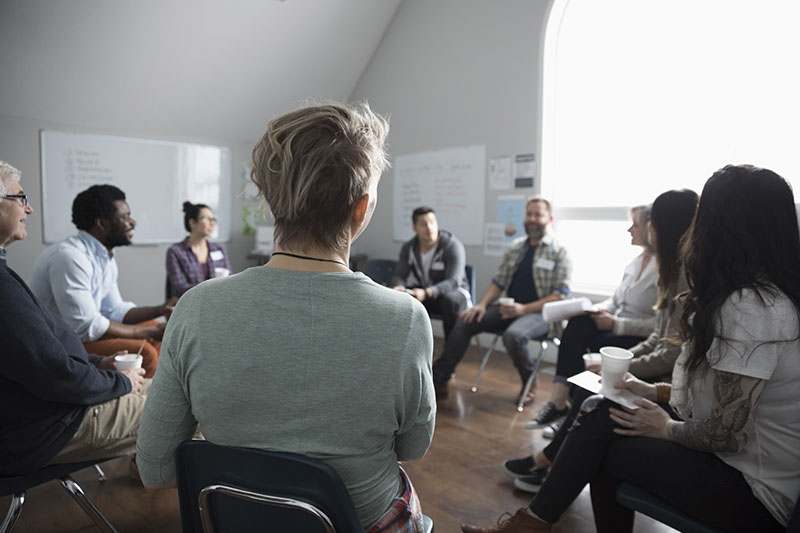
Social prescribing involves Doctors, GPs, nurses and other health professionals referring individuals to a range of local, non-clinical services e.g. exercise classes or group learning. It seeks to address an individuals’ needs holistically, recognising a range of social, environmental and economic factors.
Social prescribing aims to address an individuals’ needs across areas such as physical activity, diet and nutrition, mental health and social support. It is often referred to as a ‘more than medicine’ approach to health and well-being based on the fact that the majority of long-term conditions can be prevented by simple lifestyle changes. Social prescribing is a way of enabling GPs and other health and care professionals to connect individuals with mental ill-health to community activities, networks and non-clinical services that can help to meet their social, emotional or practical needs; with the help of a link worker. Social prescribing recognises that an individuals’ health is determined by a range of social, environmental and economic factors.
Social prescribing can include help with:
To add to this, other help and support available through local charities, organisations, community or voluntary groups can be beneficial.
Men often find greater difficulty in talking openly about their mental health. On account of this, groups that undertake practical tasks might be a good vehicle for people to widen their social networks and develop relationships and talk to others about their feelings.
Social prescribing involves more than a medical intervention, it:
Mae presgripsiynu cymdeithasol yn cynnwys, meddygon, meddygon teulu, nyrsys a gweithwyr iechyd proffesiynol eraill sy'n atgyfeirio unigolion at amrywiaeth o wasanaethau lleol, nad ydynt yn glinigol e.e. dosbarthiadau ymarfer corff neu ddysgu grŵp. Mae'n ceisio mynd i'r afael ag anghenion unigolion yn gyfannol, gan gydnabod amrywiaeth o ffactorau cymdeithasol, amgylcheddol ac economaidd.
Nod presgripsiynu cymdeithasol yw mynd i'r afael ag anghenion unigolion ar draws meysydd fel gweithgarwch corfforol, deiet a maeth, iechyd meddwl a chymorth cymdeithasol. Cyfeirir ato'n aml fel dull 'mwy na meddyginiaeth' tuag at iechyd a llesiant yn seiliedig ar y ffaith y gellir atal y rhan fwyaf o gyflyrau hirdymor gan newidiadau ffordd o fyw syml. Mae presgripsiynu cymdeithasol yn ffordd o alluogi meddygon teulu a gweithwyr iechyd a gofal proffesiynol eraill i gysylltu unigolion ag iechyd meddwl gwael gyda gweithgareddau cymunedol, rhwydweithiau a gwasanaethau nad ydynt yn glinigol allai eu helpu i ddiwallu eu hanghenion cymdeithasol, emosiynol neu ymarferol; gyda chymorth gweithiwr cyswllt. Mae presgripsiynu cymdeithasol yn cydnabod bod iechyd unigolion yn cael ei bennu gan amrywiaeth o ffactorau cymdeithasol, amgylcheddol ac economaidd.
Gall presgripsiynu cymdeithasol helpu gyda:
Yn ogystal â hyn, gallai help a chymorth pellach sydd ar gael drwy elusennau, sefydliadau, grwpiau cymunedol neu grwpiau gwirfoddol lleol fod yn fuddiol.
Yn aml mae dynion yn ei gweld hi’n anoddach siarad yn agored am iechyd meddwl. O ganlyniad i hyn, gall grwpiau sy’n ymgymryd â thasgau ymarferol fod yn llesol er mwyn i bobl allu ehangu eu rhwydweithiau cymdeithasol, datblygu perthnasau a siarad gydag eraill am eu teimladau.
Mae presgripsiynu cymdeithasol yn cynnwys mwy nag ymyriad meddygol, mae'n:
Mental health treatment covers a range of things individuals can do to take more control and a better quality of life.
They include:
Individuals who are accessing care and support under part 2 of the Mental Health (Wales) Measure 2010 will have the right to a Care and Treatment Plan.
Mae triniaeth iechyd meddwl yn cwmpasu amrywiaeth o bethau y gall unigolion eu gwneud i gael mwy o reolaeth ac ansawdd bywyd gwell.
Maen nhw'n cynnwys:
Bydd gan unigolion sy'n manteisio ar ofal a chymorth o dan ran 2 y Mesur Iechyd Meddwl (Cymru) 2010 hawl i Gynllun Gofal a Thriniaeth.
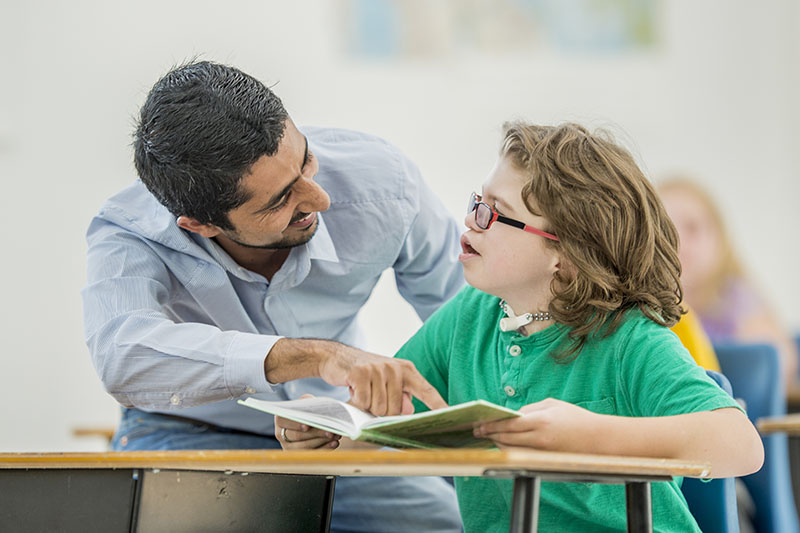
When supporting an individual with mental ill-health the support relating to the recovery model involves accessing useful information, enabling the individual to develop confidence in negotiating choices, taking increasing personal responsibility through effective self-care, self-management and self-directed care.
Being person-centred is about listening to and learning about what individuals want from their lives and helping them to think about what they want now and in the future. Family, friends, professionals and services work together with the individual to make this happen.
Person-centred approaches ensure that the individual is at the centre of all that happens, they involve doing things that sees the individual using health and social care services as equal partners in planning, developing and monitoring care to make sure it meets their needs.
Wrth gefnogi unigolion ag iechyd meddwl gwael mae'r cymorth sy'n gysylltiedig â'r model gwella yn cynnwys manteisio ar wybodaeth ddefnyddiol, galluogi'r unigolyn i ddatblygu hyder wrth drafod dewisiadau, cymryd mwy o gyfrifoldeb personol drwy hunanofal, hunanreolaeth a gofal hunangyfeiriol effeithiol.
Mae canolbwyntio ar y person yn ymwneud â gwrando ar a dysgu am yr hyn mae unigolion eisiau o'u bywydau a'u helpu i feddwl am yr hyn maen nhw eisiau nawr ac yn y dyfodol. Mae teulu, ffrindiau, gweithwyr proffesiynol a gwasanaethau yn gweithio gyda'r unigolyn i wneud i hyn ddigwydd.
Mae dulliau person ganolog yn sicrhau bod yr unigolyn wrth wraidd yr hyn sy'n digwydd, maen nhw'n cynnwys pethau sy'n gweld yr unigolyn yn defnyddio gwasanaethau iechyd a gofal cymdeithasol fel partneriaid cyfartal wrth gynllunio, datblygu a monitro gofal er mwyn sicrhau ei fod yn diwallu eu hanghenion.
Resilience is not just an ability to bounce back, but also the capacity to adapt in the face of challenging circumstances, while still maintaining a stable mental well-being.
Taking steps to look after well-being can help deal with pressure, and reduce the impact that stress has on everyday life, particularly if suffering with mental ill-health. This is sometimes called developing emotional resilience. Resilience isn't a personality trait but is something that can be achieved by taking the correct steps. The way people behave is shaped by a range of factors including personality and past experience, as well as current circumstances and other people. All of these things influence a person’s resilience. Encourage an individual with mental ill-health to lead a healthy lifestyle, support them in accessing networks which can help them, model and encourage healthy, resilient behaviours. Demonstrate that well-being issues are important and encourage informal social support.
Nid y gallu i gael eich sbonc yn ôl yn unig yw gwydnwch, ond hefyd y gallu i addasu wrth wynebu amgylchiadau heriol, tra'n cynnal llesiant meddyliol sefydlog.
Gall cymryd camau i ofalu am lesiant helpu i ddelio gyda phwysau, a lleihau'r effaith mae straen yn ei gael ar fywyd bob dydd, yn enwedig os yn dioddef o salwch meddwl. Weithiau gelwir hyn yn datblygu gwydnwch emosiynol. Nid yw gwydnwch yn nodwedd personoliaeth ond mae'n rhywbeth y gellir ei gyflawni drwy gymryd y camau cywir. Mae'r ffordd mae pobl yn ymddwyn yn cael ei lywio gan amrywiaeth o ffactorau gan gynnwys personoliaeth a phrofiadau yn y gorffennol, yn ogystal ag amgylchiadau cyfredol a phobl eraill. Mae'r rhain i gyd yn dylanwadu ar wydnwch person. Dylech annog unigolyn ag iechyd meddwl gwael i ddilyn bywyd iach, eu hannog i fanteisio ar rwydweithiau allai eu helpu, modelu ac annog ymddygiadau gwydn, iach. Dylech arddangos bod materion llesiant yn bwysig ac annog cymorth cymdeithasol anffurfiol.

If an individual with mental ill-health expresses that they are experiencing difficult thoughts and feelings and are anxious about treatments, it is not imperative to know what to do or say in that moment, sometimes, for them, just having someone to talk to can be really valuable.
Simply giving someone space to talk, and listening to how they’re feeling, can be really helpful in itself. If they’re finding it difficult, it’s important that they are offered reassurance. Asking for help can feel lonely, and sometimes scary. A calm environment and manner will ensure that the individual feels calm and open to discussing their problems. It’s important to be patient; an individual will set the pace for seeking support by themselves but can be supported with open questions.
When dealing with mental ill-health, it is important that no assumptions are made. Care-givers can provide emotional support by keeping things as normal as possible. Support in attending appointments or treatment sessions and travel can help.
Person-centred approaches involve the attitudes and approaches taken to ensure that individuals are not excluded or isolated from any service, treatment or activity. It means supporting diversity by accepting an individual’s differences and promoting equality by ensuring equal opportunities for all.
Inclusive practice is best practice. Health and social care workers can demonstrate inclusive practice by working in ways that recognise, respect, value and make the most of all aspects of diversity. Having a good understanding and awareness of and responding sensitively to an individual’s diverse needs supports them in developing a sense of belonging, well-being and confidence in their identity and abilities.
Os bydd unigolyn ag iechyd meddwl gwael yn mynegi eu bod yn profi meddyliau a theimladau anodd a'u bod nhw'n bryderus am driniaethau, nid oes rhaid gwybod beth i'w ddweud neu ei wneud yn y foment honno, weithiau, iddyn nhw, gall cael rhywun i siarad â nhw fod yn wirioneddol werthfawr.
Gall rhoi gofod i rywun siarad, a gwrando ar y ffordd maen nhw'n teimlo, fod yn ddefnyddiol ynddo'i hun. Os ydyn nhw'n ei chael hi'n anodd, mae'n bwysig cynnig tawelwch meddwl iddyn nhw. Gall gofyn am gymorth deimlo'n unig, ac yn ofnus weithiau. Bydd amgylchedd a ffordd ddigynnwrf yn sicrhau bod yr unigolyn yn teimlo'n dawel ac yn agored i drafod eu problemau. Mae'n bwysig bod yn amyneddgar; bydd unigolyn yn gosod y cyflymder dros geisio cymorth eu hunain ond gellir eu cefnogi gyda chwestiynau agored.
Wrth ddelio gydag iechyd meddwl gwael, mae'n bwysig nad oes unrhyw dybiaethau'n cael eu gwneud. Gall rhoddwyr gofal ddarparu cymorth emosiynol drwy gadw pethau mor normal ag sy'n bosibl. Gallai cefnogaeth i fynychu apwyntiadau neu sesiynau triniaeth a theithio helpu.
Mae dulliau person ganolog yn cynnwys yr agweddau a'r dulliau a gymerir i sicrhau nad yw unigolion yn cael eu cau allan neu eu hynysu o unrhyw wasanaeth, triniaeth neu weithgaredd. Mae'n golygu cefnogi amrywiaeth drwy dderbyn gwahaniaethau unigolyn a hyrwyddo cydraddoldeb drwy sicrhau cyfleoedd cyfartal i bawb.
Ymarfer cynhwysol yw'r ymarfer gorau. Gall gweithwyr iechyd a gofal cymdeithasol ddangos ymarfer cynhwysol drwy weithio mewn ffyrdd sy'n cydnabod, yn parchu, yn gwerthfawrogi ac yn bennaf oll yn derbyn amrywiaeth. Mae meddu ar ddealltwriaeth ac ymwybyddiaeth dda ac ymateb yn sensitif i anghenion amrywiol unigolyn yn eu cefnogi i ddatblygu synnwyr o berthyn, llesiant a hyder yn eu hunaniaeth a'u galluoedd.