

Character representation
Scroll through the images and discuss your ideas about how the character is represented through their first appearance on screen before reading the comment.

Jen | White | Heterosexual | Female
Jen takes on the character role of an aspiring business woman who has been employed by the company to lead a department in which she has no skillset. She power dresses in a suit, with either a waistcoat or suit jacket and, although not regularly seen here, will wear heels. She is directly contrasting the appearance of the men in the department. In the early series of the IT Crowd Jen very much opposed the team and spent much of her time trying to leave the department, but by Series 4 she has started to cement her relationship with the team but aspires to be more associated with other managers. She has very neatly cut hair and seems to be very well presented. The character has developed at a time in culture when gender figures in employment are regularly publicised in the media.
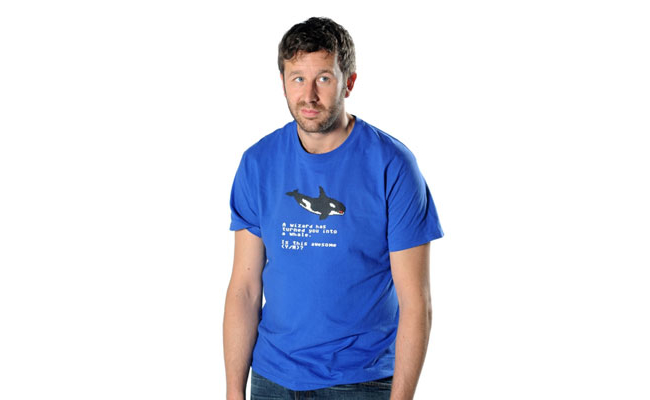
Roy | White | Heterosexual | Male
Roy is an Irish IT technician who consistently appears as workshy and distracted by other situations in his life. He regularly delivers the infamous line ‘Have you tried turning it off and on again?’ which has become synonymous with the programme. Roy is regularly seen wearing t-shirts with bright colours, logos and words that tap into popular culture trends. His behaviour and attitude suggest that Roy believes he is on the ‘cool’ edge of 'nerdiness' and can assimilate comfortably within most of society.
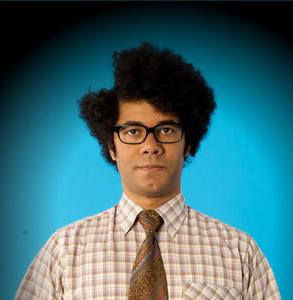
Moss | Mixed-race | Heterosexual | Male
Maurice Moss is a socially-awkward IT technician who is highly intelligent and fulfils many of the negative stereotypes of a geek/nerd. He wears glasses, has a side-parting in his afro, wears a shirt and tie with braces and enjoys quizzes. Outside of this episode it is useful to know that Moss struggles in the early series in situations such as talking to women and talking about sports. By Series 4 Moss has become a little more comfortable in his skin and in this episode he stands out as a driver of much of the humour.

Doug | White | Heterosexual | Male
Doug is the CEO of Reynholm Industries and is quite an offbeat character who takes alternative approaches to how he deals with characters and situations. This therefore drives many of the comedy moments. His unconventional approach to work can be seen throughout this episode as he dresses in very short athletic clothing to take part in a workout which he leads. He represents some of the more negative male stereotypes and further series and episodes would find a very misogynistic character who is also quite naïve when it comes to IT.
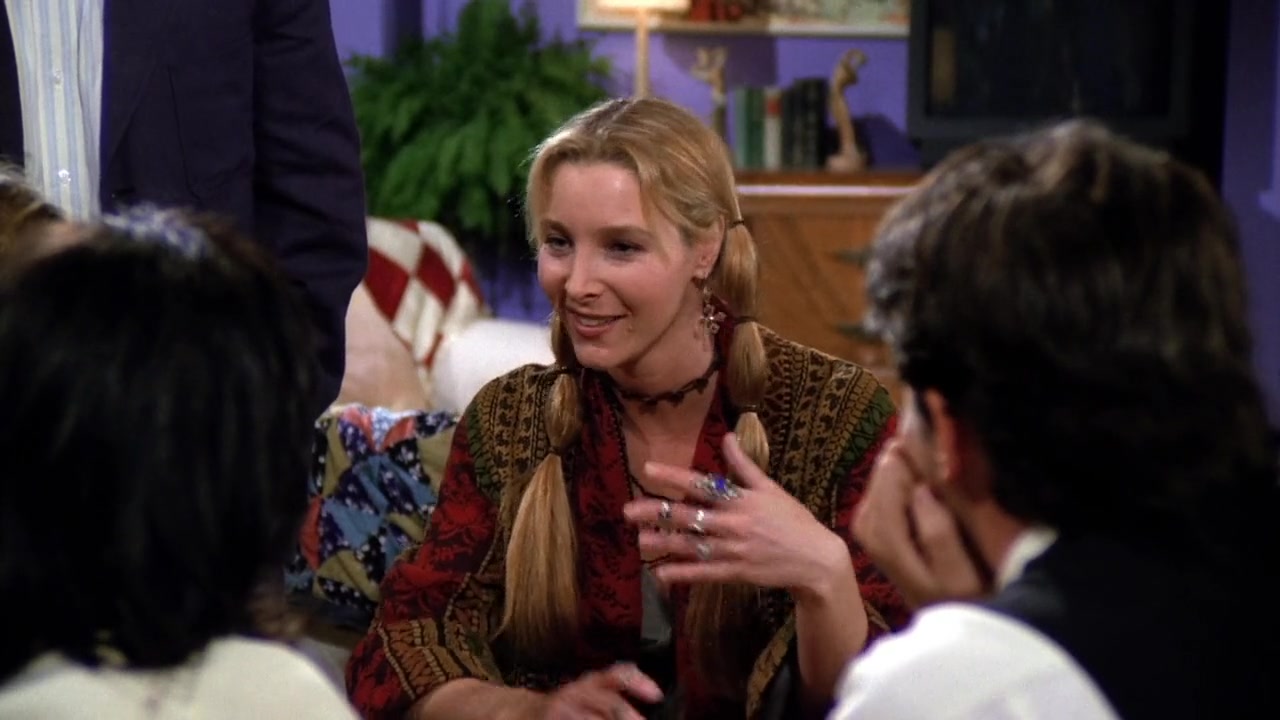
Phoebe | White | Heterosexual | Female
Phoebe provides the representation of a very free-spirited character who cares very much for her friends around her. We hear briefly about an ex-boyfriend through her dialogue. Her actions connote her alternative personality as she attempts to cleanse Ross’ aura and sings to Rachel. She contrasts against many of her friends as she seems to have very few direct links to the rest of the group.
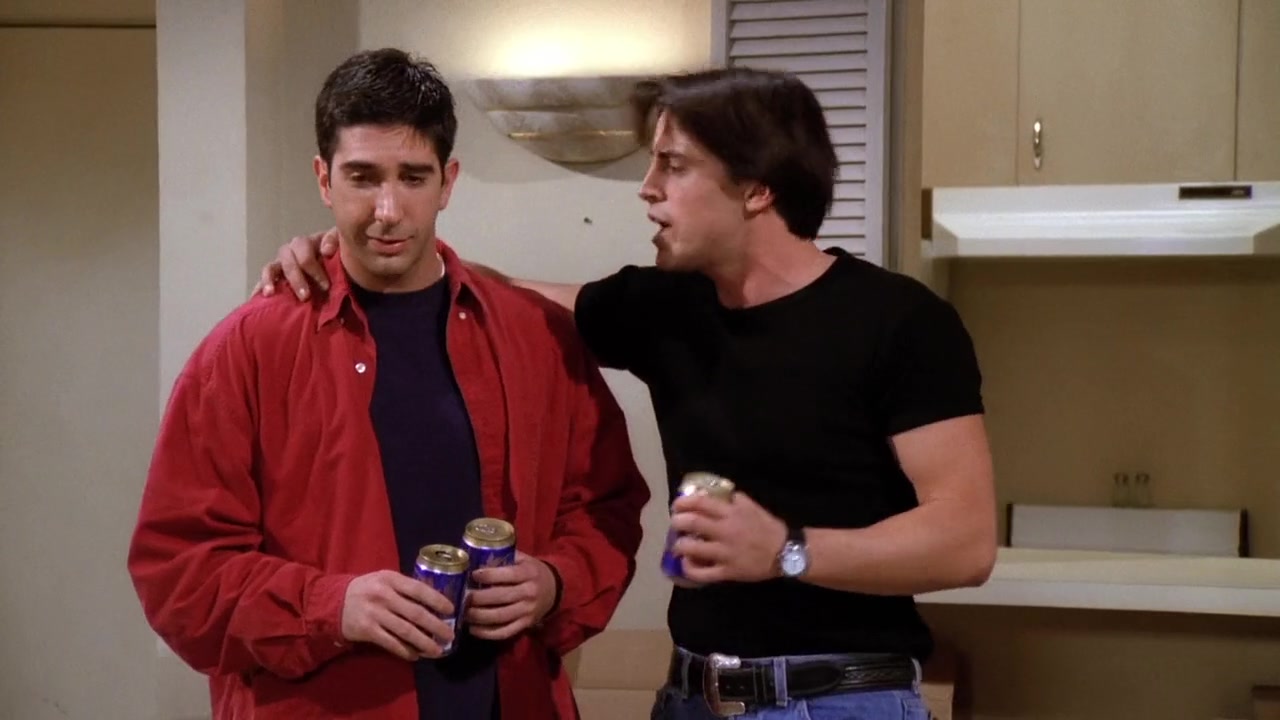
Joey | White | Heterosexual | Male
Joey connotes a very heterosexual and confident man through his costume, confidence and body language throughout. He flirts, tries to solve Ross’ problems with the suggestion of a ‘strip club’ and through the later scene offers beer during the male-centric DIY session at Ross’ apartment. He wears denim and leather and seems very stylish and takes care of his appearance.
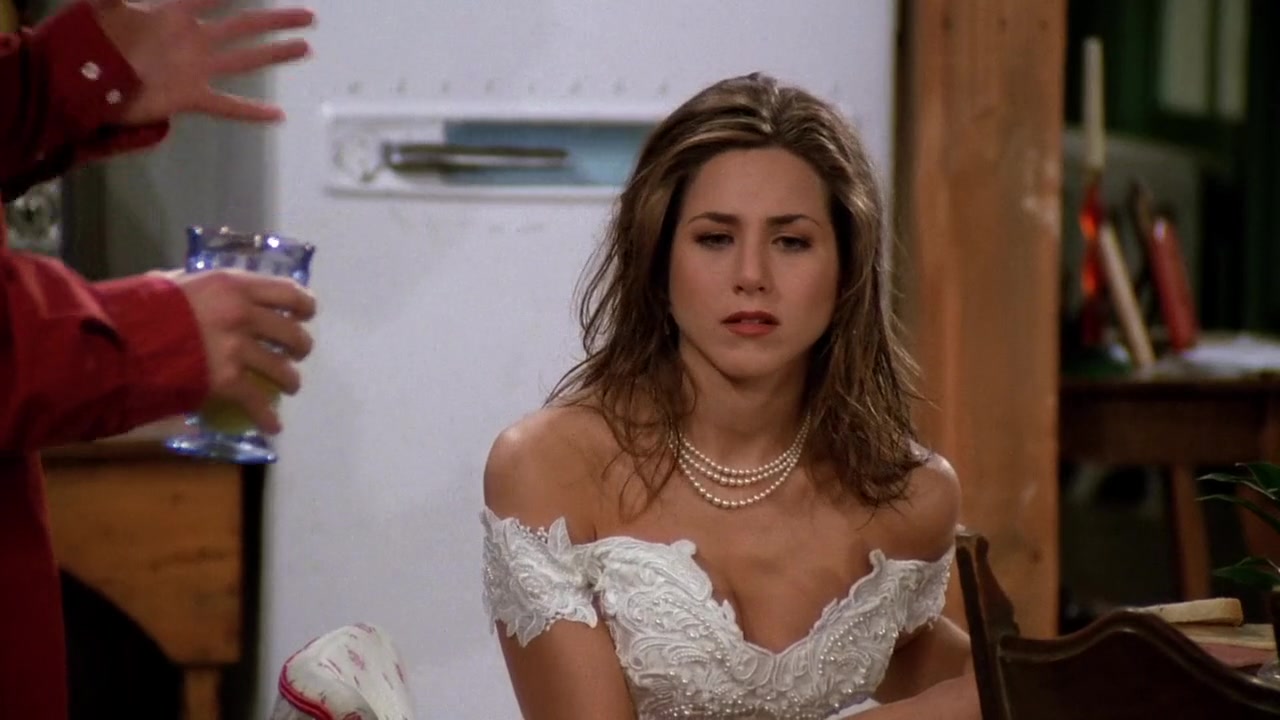
Rachel | White | Heterosexual | Female
Rachel is represented as a very torn character who is battling against the traditional stereotype of a female who is looked after by her father and her future husband and someone who is trying to make a change. Her appearance in a wedding dress shows her impulsive reaction against this tradition but is further challenged in her dialogue with her father about money and being ‘looked after’. Later in the episode she shows stereotypical feminine traits of shopping and resistance to the change in her lifestyle. Dialogue between her and Monica also suggests that she might have been a very popular girl at school and not used to the city life of New York.
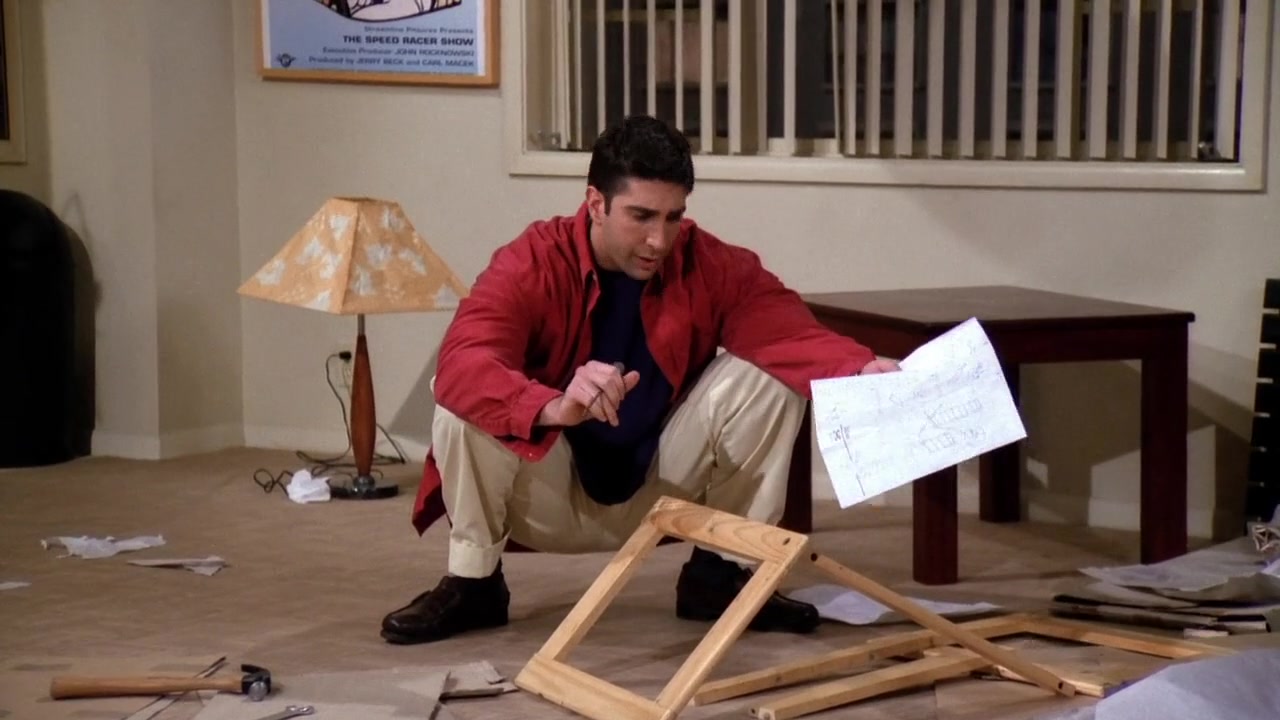
Ross | White | Heterosexual | Male
Ross is represented as an unlucky character who has a very supportive network of friends and family around him. He appears quite clumsy but caring through his actions and body language. His costume of pale colour trousers and his red top has connotations of both love and heartbreak but offers a potential link to a future romance with Rachel as they share moments of interaction throughout the episode.
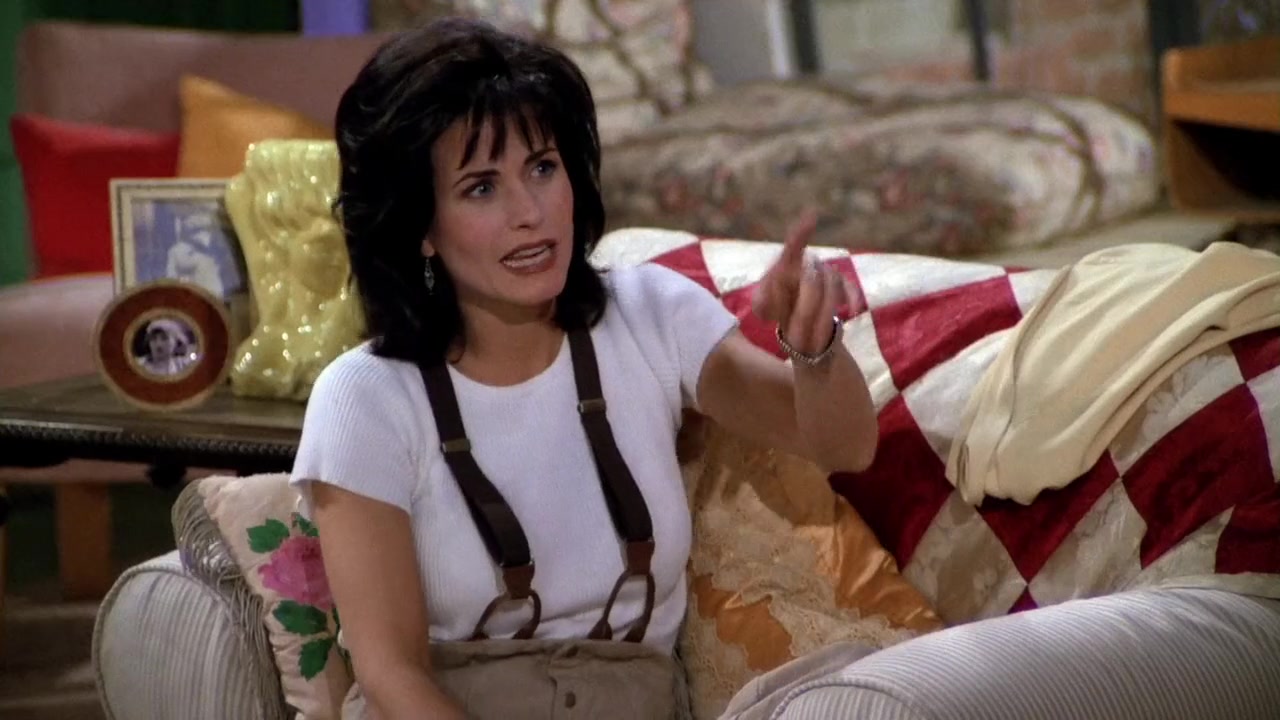
Monica | White | Heterosexual | Female
Monica is represented as the maternal figure amongst her friends through her actions, words and body language. Her sexuality is the one most explored in this episode as we follow her quest for a successful romance. Her friend’s mild teasing of the relationship shows that she may have struggled to find love in the city. She wears very pale colours, with her braces possibly connoting her uptight personality.
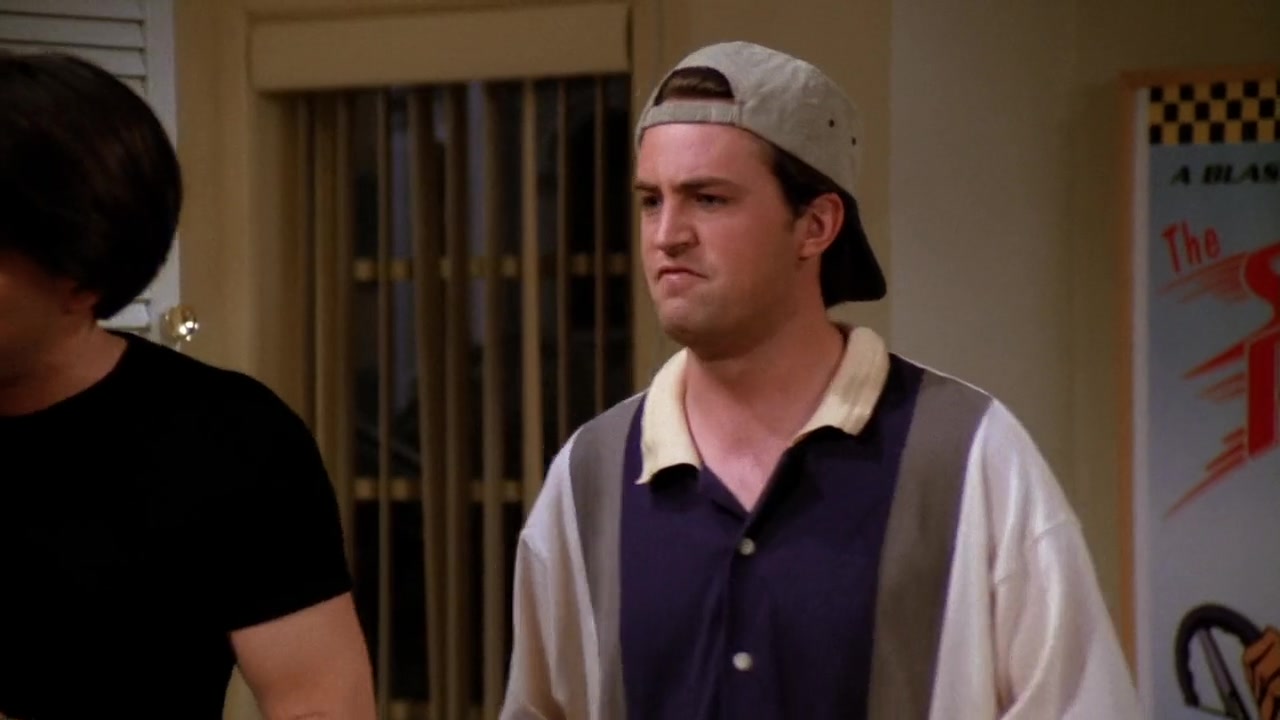
Chandler | White | Heterosexual | Male
Chandler is wearing a baggy and casual top. Chandler is represented as the comedian in the group and could also hold an ambiguity with regards to his sexuality; with no reference to his own love life or indications of affection towards either gender. His costume carries connotations of a lack of confidence and the hybridity of smart and casual shows a dichotomy of character roles that Chandler might hold as we progress through the programme.